
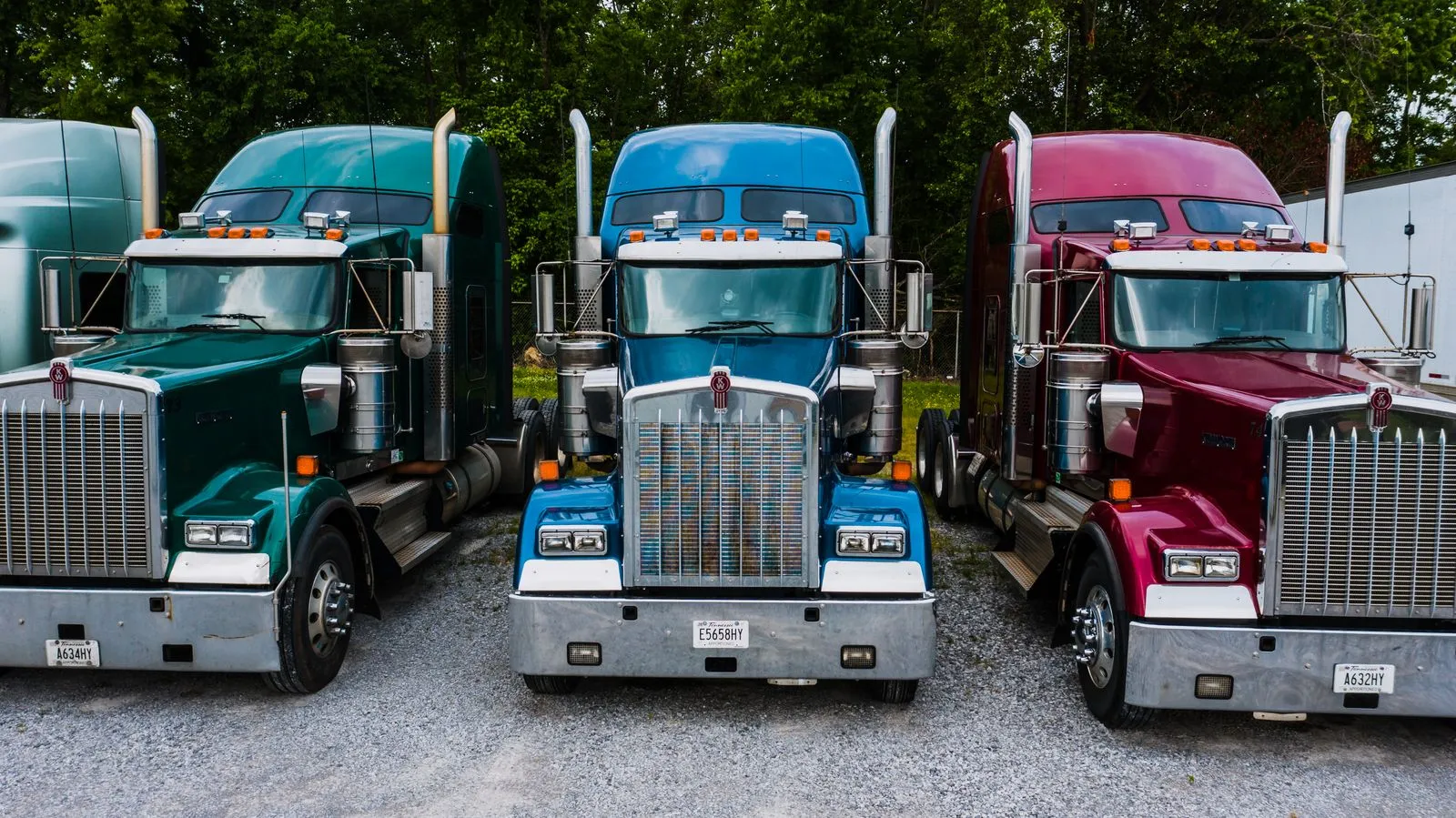
Commercial vehicles turn into junk on a business schedule. The repair estimate comes back higher than the truck is worth, the company replaces it, and the old one sits at the back of the lot with a dead battery and expired plates. Or a small hauling business closes and the owner is left with a box truck nobody wants to fix. These are the calls we get from shop lots, yards and side streets around Pullman and South Chicago.
What we buy
- Box trucks and straight trucks, with or without a lift gate.
- Step vans and delivery vans, the high-roof kind with a walk-in body.
- Semi tractors, day cabs and sleepers, running or not.
- Trailers, dry vans, flatbeds and others, sold with the tractor or on their own.
- Other work trucks, such as dump bodies, stake beds and utility bodies.
Papers for a commercial sale
The paper is still the title. For commercial vehicles, a few things come up more often:
- The owner is a business. The title is in the company’s name, so the person signing needs the authority to sell for it.
- There’s a loan or a lease. If a lender is on the title, a lien release has to come first. A leased truck belongs to the leasing company, and only it can sell.
- The title is from another state. Under 625 ILCS 5/3-102, a motor vehicle regularly engaged in interstate transport that holds a current title from another state doesn’t need an Illinois title, so many tractors carry one. Our guide to out-of-state and salvage titles covers the rest.
Take the plates and any permits off before the truck leaves, and settle the registration with whoever issued it.
Pickup realities for a big truck
A semi or a loaded box truck needs a different tow from a sedan, and we set that up before anyone drives out. To plan it, we’ll ask:
- Where it sits. A fenced yard, a shop lot, a loading dock or the street. For a yard, who opens the gate and when.
- Whether it can build air. A tractor with no air pressure usually sits with its spring brakes set, which changes how it’s moved.
- How it’s loaded. Empty the box or the trailer first. Pallets, shelving and freight add weight and can shift.
- What’s attached. A trailer still hooked up, a lift gate, a reefer unit or a plow.
- How much room there is. Overhead clearance, the turn into the lot, and anything parked around it.
If the engine or the transmission is what stopped the truck and you’re still deciding whether to fix it, our guide on a blown engine or failed transmission walks through the choice. For smaller work vehicles, see pickups, vans and SUVs, and for motorhomes see RVs and campers.
There’s no charge for the tow, and payment comes at pickup in cash, Zelle or Cash App. Describe the truck.